The Putney School’s academic program is based on a belief that we learn best by exploring, trying, doing, failing, adjusting, and repeating. We center our academic program around the Putney Core, a clearly articulated list of skills and knowledge that we ask every student to acquire before graduation. Rather than listing which classes students must take, we list what knowledge and which skills students must obtain.
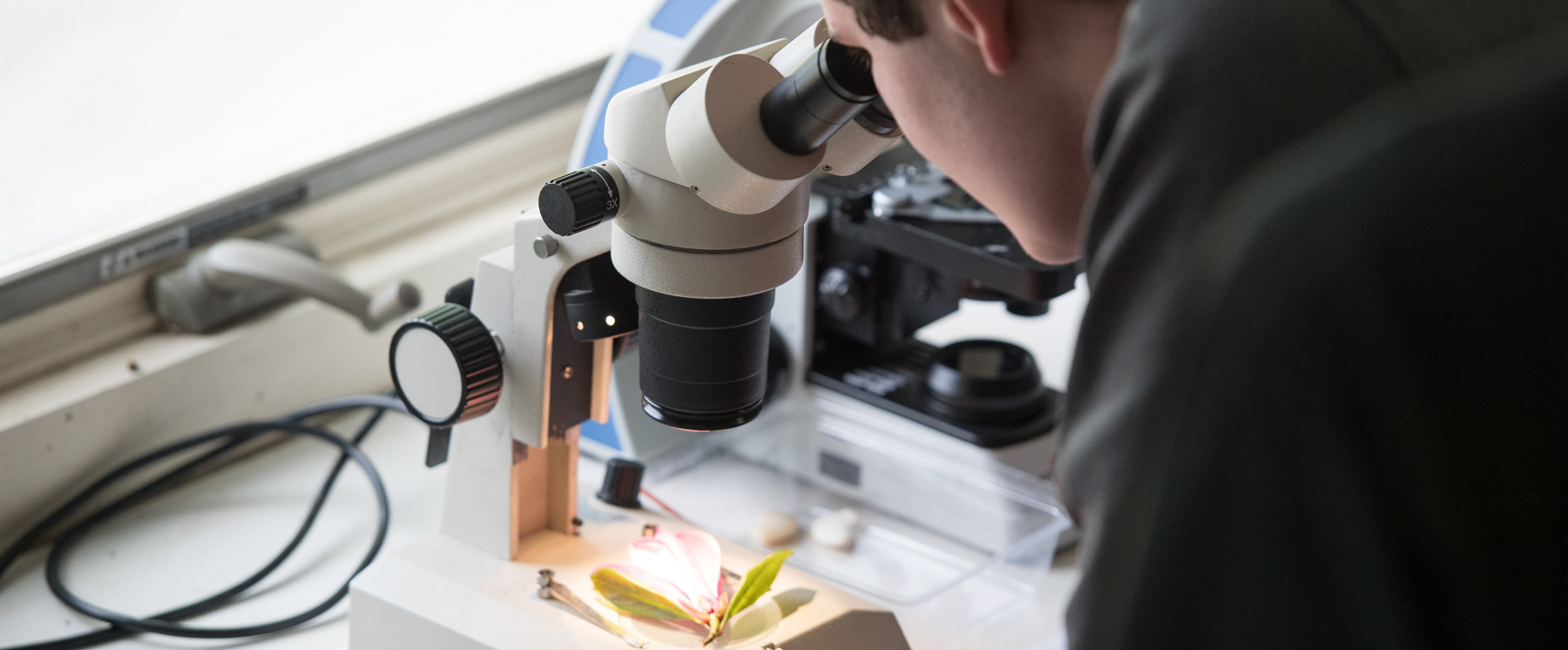
Students’ journeys through their academic pathways are supported by classes, teachers and curriculum, all which are designed to support hands-on, active experiences in learning while doing. The Putney Core allows us to recognize, record, and celebrate a multitude of educational experiences outside the classroom as well. Some of the work students do during Project Week, in their student-designed independent studies, and in activities wholly separated from school are placed in their academic portfolios.
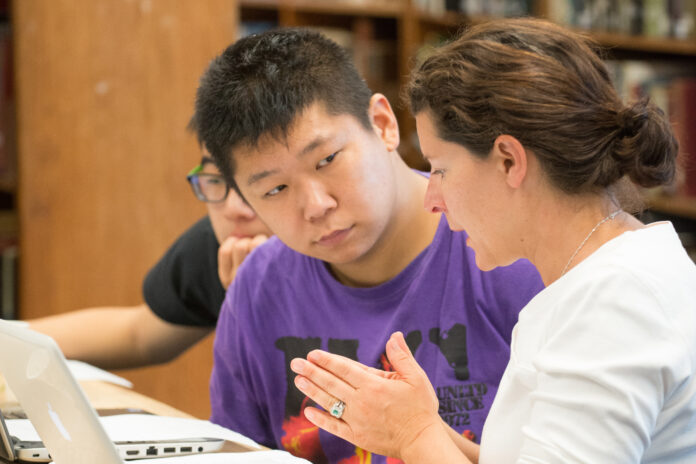
Our goal is to teach students how to define good questions, how to research and analyze, and how to present their thinking in coherent and compelling ways. None of this can be measured by standardized tests such as the APs, which are necessarily designed to teach students how to answer finite questions which others have posed. Putney has never had an AP curriculum. It is clear to us that colleges understand our program, because our students do well in today’s competitive college process.
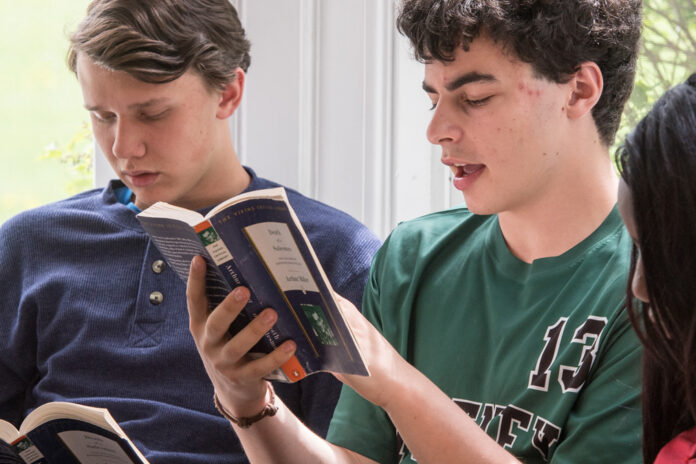
Our academic program is bracketed at the beginning by an integrated 9th grade course titled Humans in the Natural World. In this course, combining ideas from the fields of english, human geography, and science, our 9th graders hone their skills in analytical and creative writing, oral presentation, collaboration, research and analysis. They also begin to solidify habits of reflection, self-evaluation, perseverance, and practice.
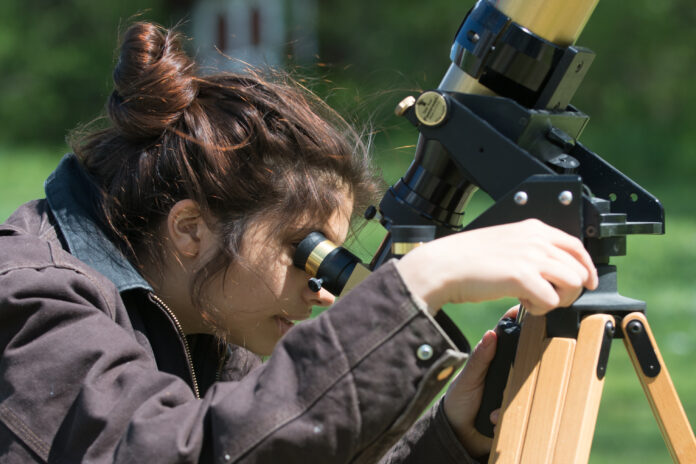
At the other end of students’ Putney experience, they use the skills and knowledge gained in the early years to take courses and to do independent projects in areas of advanced science (Molecular Genetics), mathematics (Multivariable Calculus), art (all of our art courses run through a 3rd level and students who rise beyond that are supported in a tutorial fashion), the humanities (Sociological Implications of Food, Feminist Perspectives in Literature), and modern languages (We support students in the study of Chinese, Spanish, and French).
We believe in the power of learning communities, but also recognize that not all students need the same classes and experiences in the same order or at the same time. At The Putney School, we work hard to put the student at the center of their own educational pathway. No two students’ pathways are alike, and we flex as much as we can, as often as we can, to create a program of studies that best meets each students’ needs.